
I remember sitting in my living room with a cup of tea, headphones on, listening to a song that felt like a short sermon. Lines like "You claimed his soul" and "No darkness holds what you have claimed" landed like small, bright stones in my chest. In this post I trace those images — light, claim, victory — and try to turn them into practical reminders and rituals for anyone wrestling with grief, injustice, or spiritual questions.
1) Comfort & Redemption: 'You claimed his soul' (Comfort in grief)
Faith Frequency and the promise inside “You claimed his soul”
When I hear the lyric, “You claimed his soul. Oh, Lord of light.” I don’t hear control or loss. I hear rescue. The word claimed sounds like a strong hand reaching into chaos and saying, “This life is not abandoned.” In grief, my mind looks for something solid to stand on. This line gives me that ground: God is not late, not confused, not distant. He is present as Divine Light, even when my feelings are dim.
You claimed his soul.
The next line, “你已归主怀”, carries a pastoral tenderness that lands differently in my chest. It means, “You have returned to the Lord’s embrace.” Not just “gone,” but held. Not just “ended,” but received. It frames death as a homecoming into Everlasting Compassion, where the Lord’s arms are not a metaphor but a promise.
Prayer Frequency: tuning my heart when words run out
I’ve learned that faith can feel like a specific signal—what I call Faith Frequency. When I’m tuned to it, comfort comes in small, steady waves. When I’m not, everything feels noisy. The lyric “Forever hold” helps me tune back in. It’s simple enough to repeat when my thoughts spiral. And the line “No darkness claims a faithful soul” pushes back against the fear that grief often brings: the fear that darkness gets the final word.
No darkness claims a faithful soul.
This is also where redemption enters. If Jesus is my advocate, then my loved one is not measured by their worst moment. Grace speaks louder than regret. In that light, “claimed” becomes good news: not earned, not negotiated—received.
A late-night prayer I borrowed for a grieving friend
One night a friend called me after losing someone close. It was late, the kind of hour where silence feels heavy. I didn’t have a speech. I just whispered the lyric into my prayer: “Lord of light, You claimed his soul.” Then I said the Chinese line slowly—“你已归主怀”—even though my accent wasn’t perfect. The meaning was. My friend didn’t suddenly feel “fine,” but their breathing changed. It felt like reassurance followed right-hearted worship, not because we performed it well, but because we turned toward God with honest need.
Simple rituals for comfort (3 minutes)
Light a candle and say: “Lord of light, be near.” Let the flame represent Divine Light, not your strength.
Name the person out loud: “I entrust ___ to Your care.” Grief becomes clearer when it is specific.
3-minute confession/prayer practice:
Minute 1: “Jesus, I admit I am not okay.”
Minute 2: “Forgive my anger, my numbness, my fear.”
Minute 3: “You claimed his soul… forever hold.” Breathe slowly and listen.
When I repeat these words, my Prayer Frequency steadies. Curiosity returns—quietly asking, “God, what are You showing me here?” And in that asking, Kingdom comfort often arrives.
2) Spiritual Warfare & Victory: Light over Darkness
Spiritual Warfare: When they try to cage the light
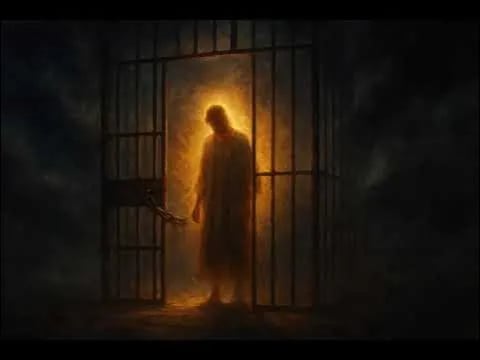
The lyrics do not hide the conflict. It starts with a clear picture of Spiritual Warfare: “They tried to cage the light you made” and “to drown his voice… to make him fade.” I hear more than human pressure here. I hear a spiritual push to silence truth, to shrink faith, and to make a person feel alone. The language gets even sharper: “The hands of hate, the breath of lies are crushed beneath your watching eye.” Hate has “hands.” Lies have “breath.” That is how it feels when darkness becomes active—when it seems to reach, speak, and press in.
Light Over Darkness: God breaks through instantly
Then the turning point comes: “But you, oh Lord, broke through the night and crowned his pain with holy light.” This is where the metaphor helps me. Light does not negotiate with darkness. It displaces it instantly. When I remember that, I can reorient fast—stop replaying fear, stop feeding the lie, and turn my attention toward God’s Power. The repeated line becomes a banner over the whole battle:
No darkness holds what you have claimed, no fire of hell can quench your flame.
This is not denial of pain. It is Light Over Darkness in real time—God entering the same place where the night felt strongest.
Spiritual Victory: poetic words, practical weapons
The song speaks like a war cry—“no demon stands in Jesus’ name” and God “hurled them out of hell.” But Spiritual Victory also has practical steps. For me, it looks like drawing near to God, repentance, and removing evil influences that keep the dark “loud.”
Repentance: I name what is wrong without excuses, because hidden sin gives darkness space.
Proclamation: I speak truth out loud—Scripture, prayer, worship—so my mind has a new track to follow.
Community: I invite trusted believers to pray with me, because isolation is where lies grow.
Removal: I cut off inputs that feed temptation—media, relationships, habits—anything that keeps the “breath of lies” in my room.
A small church service that changed my view of deliverance
I once attended a small church service where people came forward to confess wrongdoing. No one was forced. The pastor kept repeating the light image: when you turn on a lamp, the room changes at once. As people repented, it felt like that—simple, honest, and immediate. Some asked for prayer to break patterns they had hidden for years. The “light” was not hype; it was clarity. I watched shame lose its grip as truth was spoken.
God’s Power and divine judgment: make your calling sure
The lyrics also warn: “The proud will fall, the cruel will see that none escape eternity.” That pushes me toward righteousness, not panic. In Spiritual Warfare, I do not just want relief—I want a clean life. If God claims a soul and gives rest, then my response is to stay near, walk straight, and trust His God’s Power when darkness tries to return.
3) Worship as Frequency: tuning to God's heart
I’ve learned to think of worship as a Worship Frequency—not just a mood I fall into, but an active “sending” from my heart to God. When I worship, I’m not trying to impress Him. I’m tuning my inner life to His truth, like turning a dial until the signal is clear. That’s why worship can feel like alignment: my fear gets quieter, my faith gets louder, and I can hear God’s Voice again.
In the transcript, the repeated single-word cry—“Light.” (0.59–1.43)—lands like a refrain. It’s simple, but it carries weight. For me, that’s what worship does: it keeps sending the same true message into the dark places until my soul remembers what is real. And later, the line “And even now His light remains” (3.52–4.02) becomes a picture of sustained worship—praise that doesn’t quit when the pain doesn’t quit.
“Light.”
“Through You, oh God, it breaks their chains.”
Worship Frequency as a “signal” God responds to
When I say Spiritual Frequency, I don’t mean magic or a formula. I mean direction. Worship points my attention toward God’s character—His justice, mercy, and power—until my thoughts follow. Some people describe worship as carrying “color and texture” that resonates in heaven. I hold that idea gently, but it helps me: genuine worship is not empty sound. It is a real offering God receives.
This is where Faith Frequency matters. Faith pleases God, and worship is one of the clearest ways I express faith when I can’t see results yet. It’s like lifting spiritual antennas. The stronger my trust, the clearer my Divine Frequency becomes, and the easier it is to recognize God’s Voice over the noise of fear, lies, and accusation.
A 5-minute daily habit to “raise frequency”
Breath prayer (1 minute): Inhale: “Lord of light…” Exhale: “…stay with me.”
One verse (2 minutes): Read a short verse out loud twice. Pause and underline one phrase that feels like light.
Short worship song (2 minutes): Sing or play one chorus. Keep it simple. Repeat it like the transcript repeats “Light.”
If I’m overwhelmed, I reduce it to one line on repeat, almost like a spiritual heartbeat:
Light. Light. Light.
Mini case study: worship frequency during a vigil
I once stood with a small group at a memorial where grief and anger filled the room. At first, every conversation felt heavy, like darkness was “caging the light.” Someone began to sing a quiet worship chorus. No big performance—just steady praise. Within minutes, the atmosphere shifted. People stopped spiraling. A few started praying. Others simply breathed deeper. It reminded me of the transcript’s promise: “And even now His light remains… Through You, oh God, it breaks their chains.” Worship didn’t erase the loss, but it changed what ruled the space. It tuned us back to God’s heart.
4) Practical Prayers & Next Steps (for grief, justice, and restoration)
Prayer Frequency: a short liturgy to claim light
When I feel surrounded by grief or the weight of injustice, I return to a simple rhythm. I remember this truth: no darkness claims a faithful soul. I cannot control outcomes, but I can draw near to God, repair what is broken in me, and keep showing up with a Repentant Spirit. This is how my Spiritual Journey stays steady, even when evil seems loud.
Stillness: I sit or stand in quiet for one minute and breathe slowly. I say, “God, I am here.”
Confession: I name what is cracked in me—fear, anger, numbness. I ask for cleansing and courage.
Claiming light: I place a hand over my heart and say, “Your light is stronger than this darkness. No darkness claims a faithful soul.”
Request for Divine Intervention: I pray for the specific need—comfort for grief, protection for the vulnerable, truth where lies have spread.
Repair: I ask, “Show me one broken area I can mend today,” then I listen. I commit to one small step.
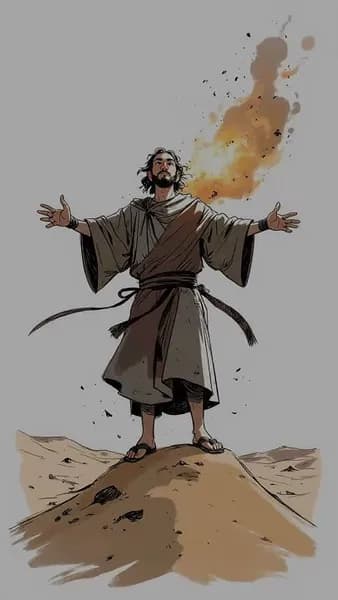
Elijah faith: I pray with single-minded trust, like Elijah waiting for rain. I say, “Let there be spiritual rain—renewal, softness, and life.”
Release: I end with, “I trust God’s Sovereignty. I will pursue righteousness today.”
If you want to test “frequency tuning,” repeat this liturgy for seven days—morning or evening. Keep the Prayer Frequency steady, even if your feelings are not. I have learned that spiritual victory often grows quietly, through daily nearness to God and honest repair.
Next steps: prayer that moves toward justice
Prayer is not an escape from the world; it is fuel for faithful action. After I pray, I choose one small act that matches my request for Divine Intervention. I may write a letter to a local leader, send an email for a fair policy, donate to a trusted aid group, or show up in respectful silence at a vigil. These steps do not replace God’s work, but they align my life with righteousness, especially when teachings about divine judgment remind me that evil is real and choices matter.
A personal note for grief and restoration
After a loss, I tried this ritual each night. It did not fix everything. The pain still came in waves. But it created a container for sorrow, so I could bring my whole self to God without pretending. Over time, I noticed more steadiness, more clarity, and more willingness to love again.
May this prayer bring comfort to anyone struggling with grief, injustice, or the feeling that evil seems too powerful.
Thank you for watching. If you are tired, start with day one. Light is still light, even when it feels small.